AjoMoney
Group savings, the way people across Africa already save, in an app.
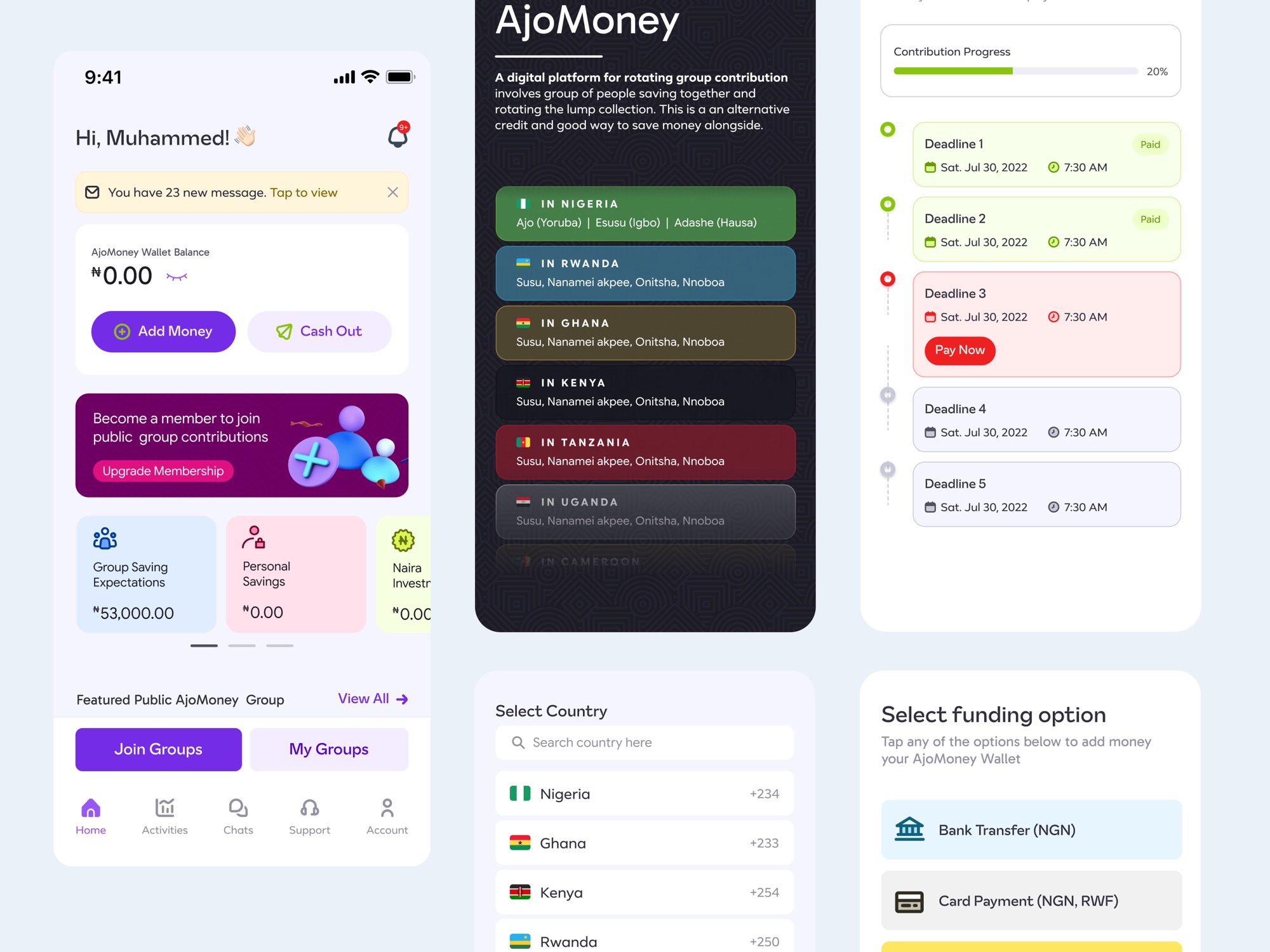
Across Africa, people save together in rotating groups. In Nigeria it's called ajo, esusu or adashe. Everyone pays in on a schedule, and each member takes the full pot in turn. AjoMoney brought that habit into an app, with a wallet, personal savings and investing around it. I designed the customer app and the agent app, from the core flows to the interactive prototypes. AjoMoney was later acquired by Moni Africa.
The problem
Traditional ajo runs on trust. Contributions are tracked on paper or in WhatsApp groups, admins chase late payers by hand, and if someone collects early and stops paying, the rest of the group loses out. People who want to join a group often don't know one they can trust.
Discovery
We spoke with people who save in groups and with the agents who collect contributions for them, and mapped how a group actually runs offline: who decides the amount and the order, what happens when someone pays late, and how people swap turns when they need money sooner. Those rules became the product's rules.
What we learned
Members want to see the terms, the fees and the late-payment fine before they commit, not after.
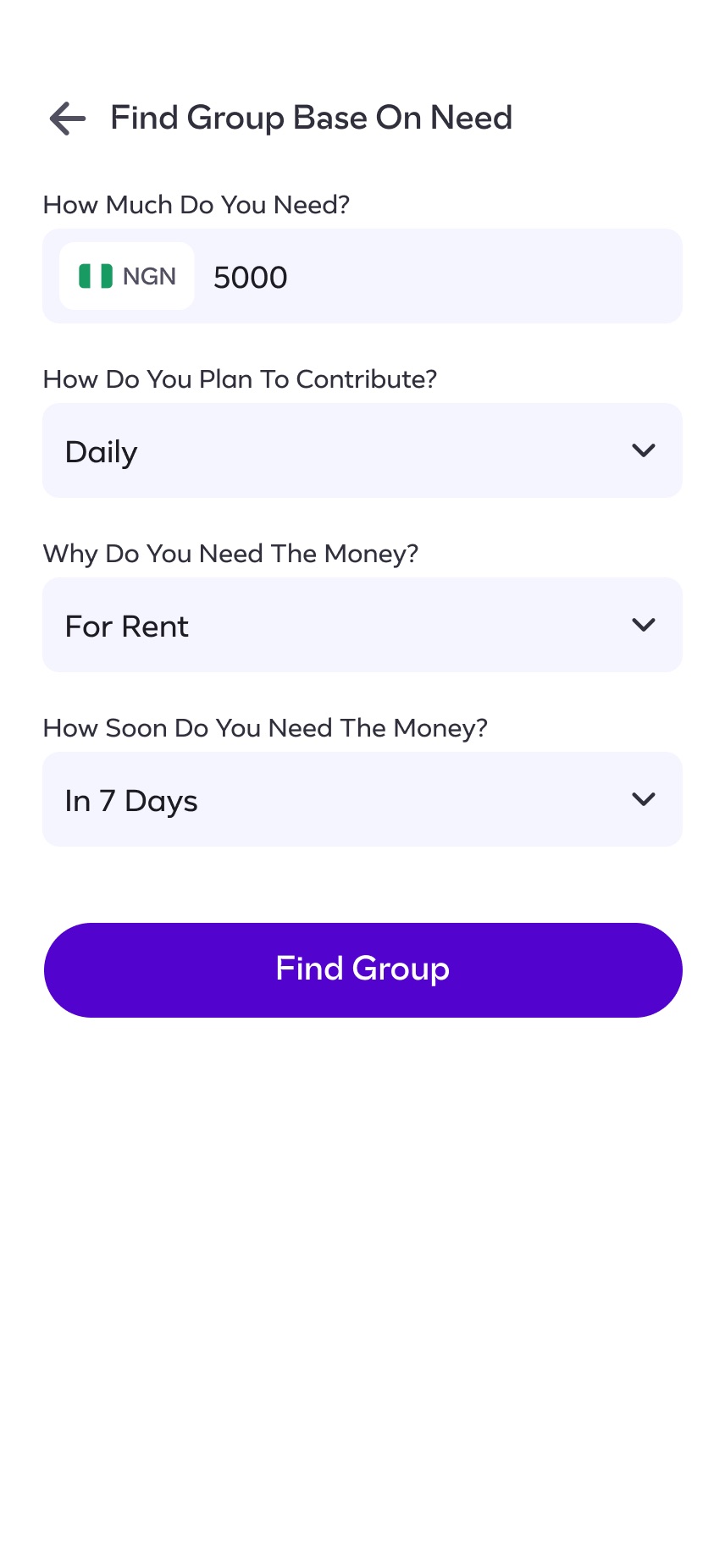
Many join a group because they need a certain amount by a certain date, not because of who's in it.
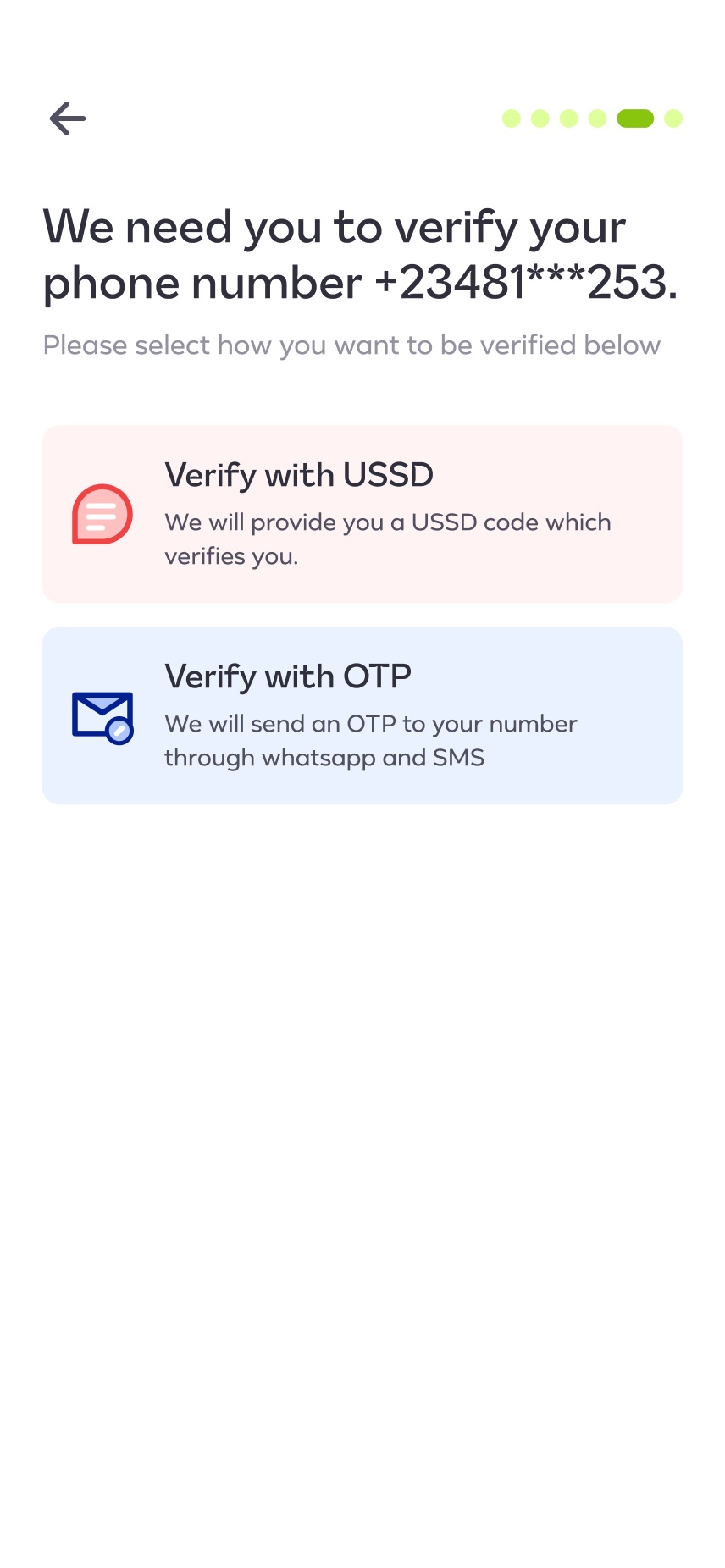
Phone verification by USSD, as well as OTP, made sign-up possible without relying on data.
Swapping turns, asking for an admin and sharing updates happen in conversation, so the group needed its own chat.
Data and measurement
We watched sign-up and verification in Microsoft Clarity to see where people dropped off and which steps they repeated, and tracked group activity in our dashboards: groups created, invites accepted, on-time payments and successful cash-outs.
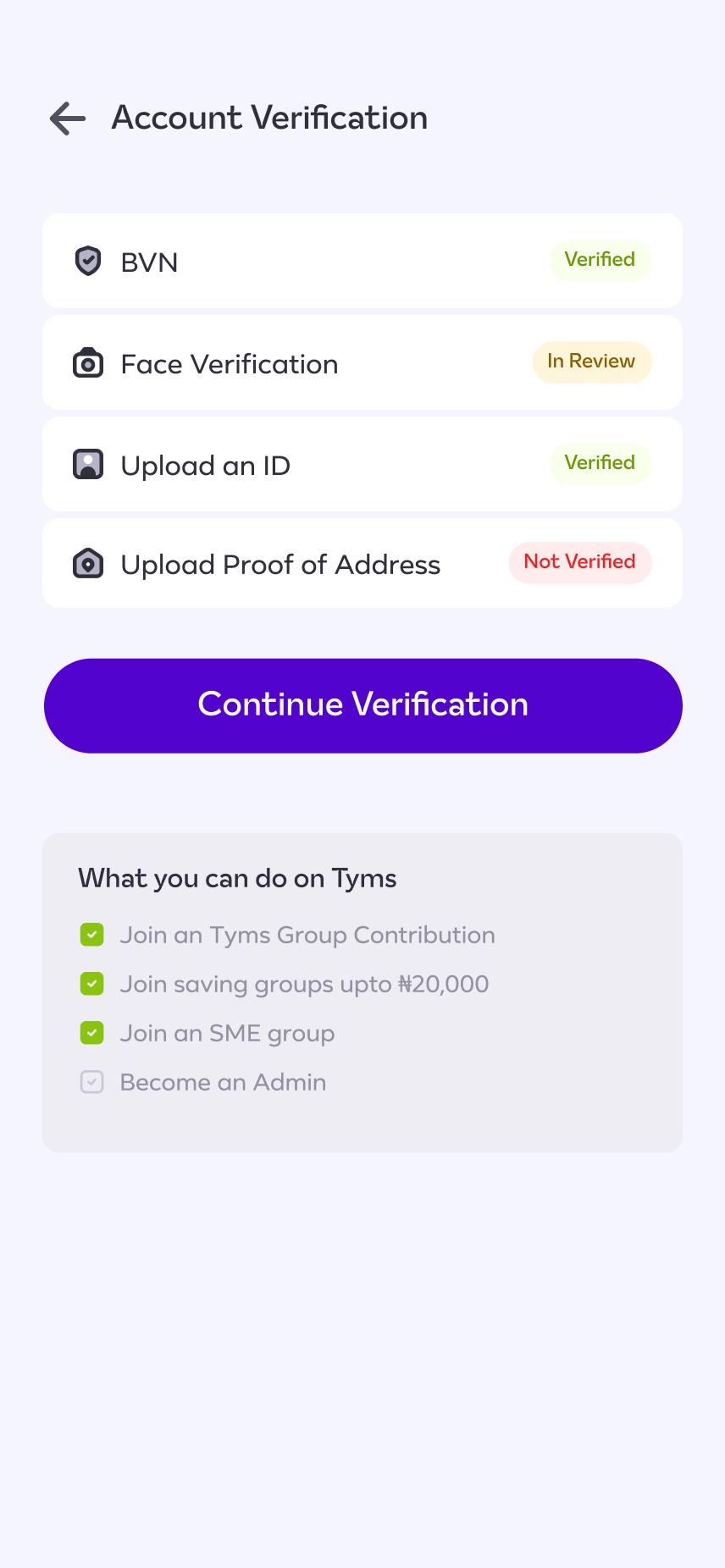
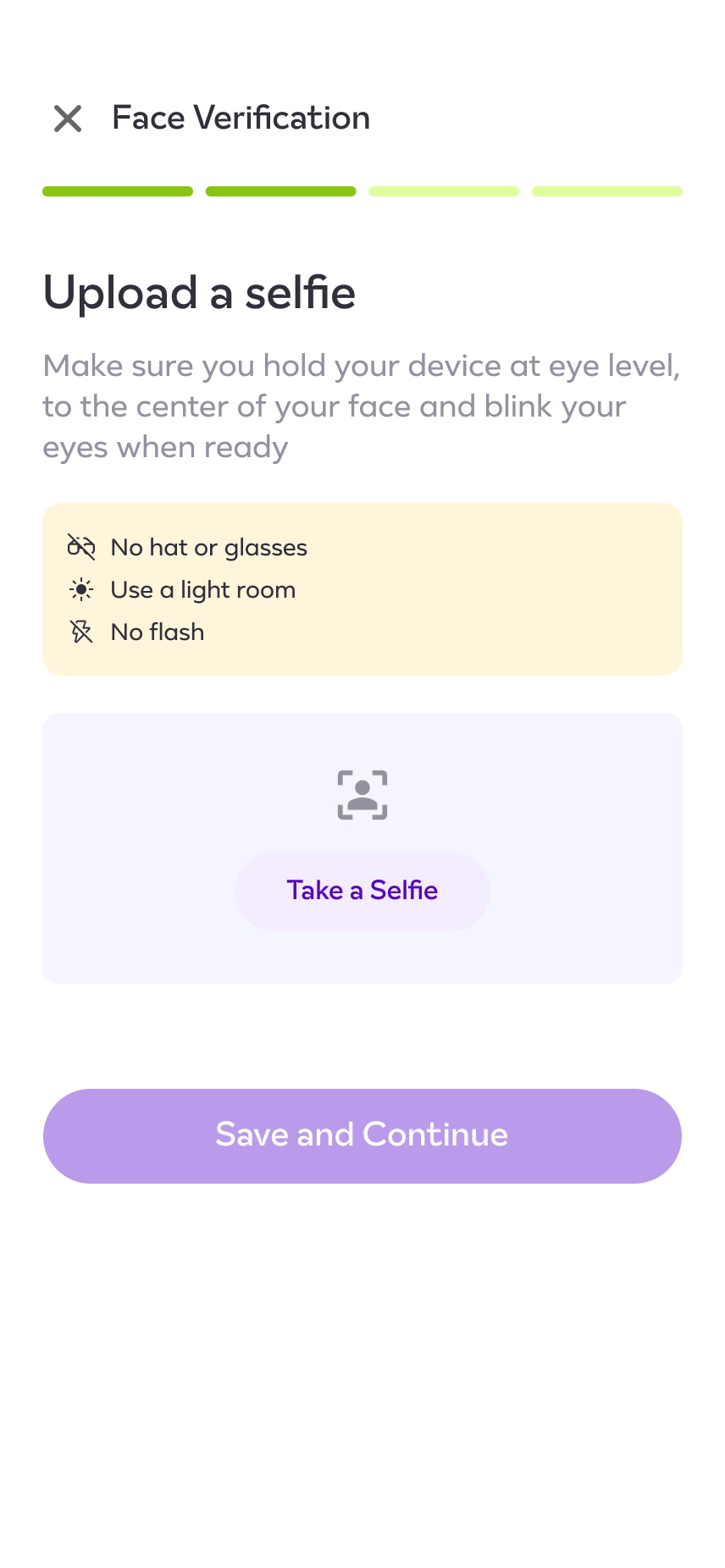
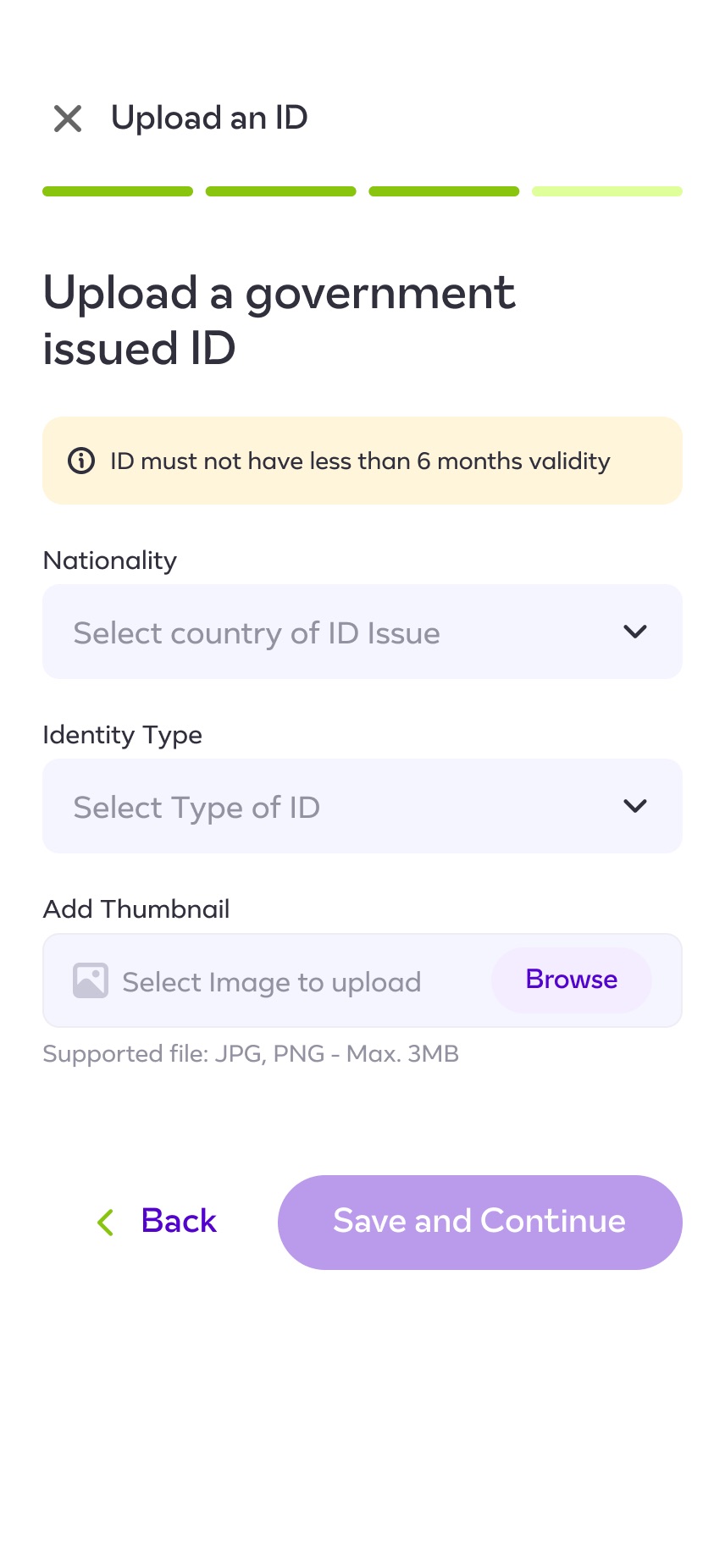
- Verification completion: how many new users finished BVN, selfie and ID.
- Group starts: groups created and invites accepted.
- On-time payments: contributions paid by the due date.
- Successful cash-outs: members receiving their pot on cash-out day.
Key decisions
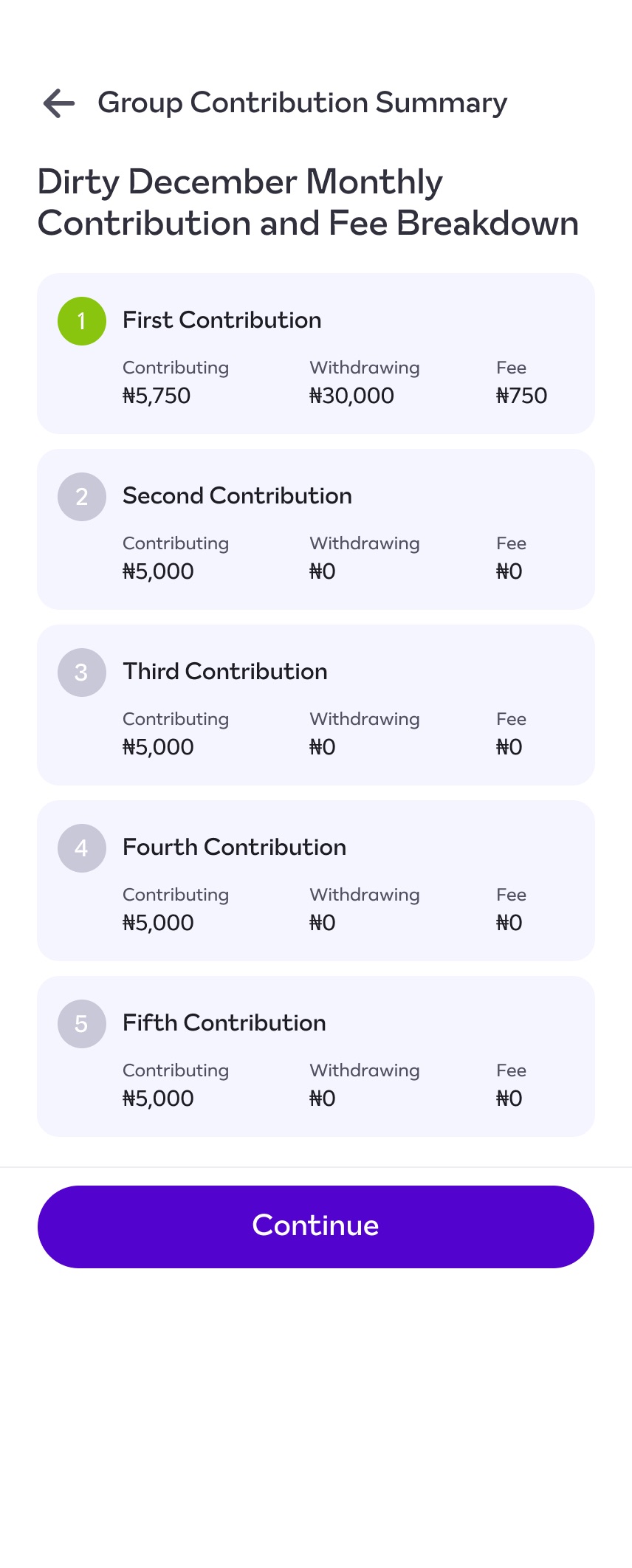
Put the terms up front
Admins set the amount, the number of people, the schedule, an admin fee and a late fine. Before joining, every member sees a breakdown of what they'll pay and when. Trust comes from transparency, not from knowing the admin.
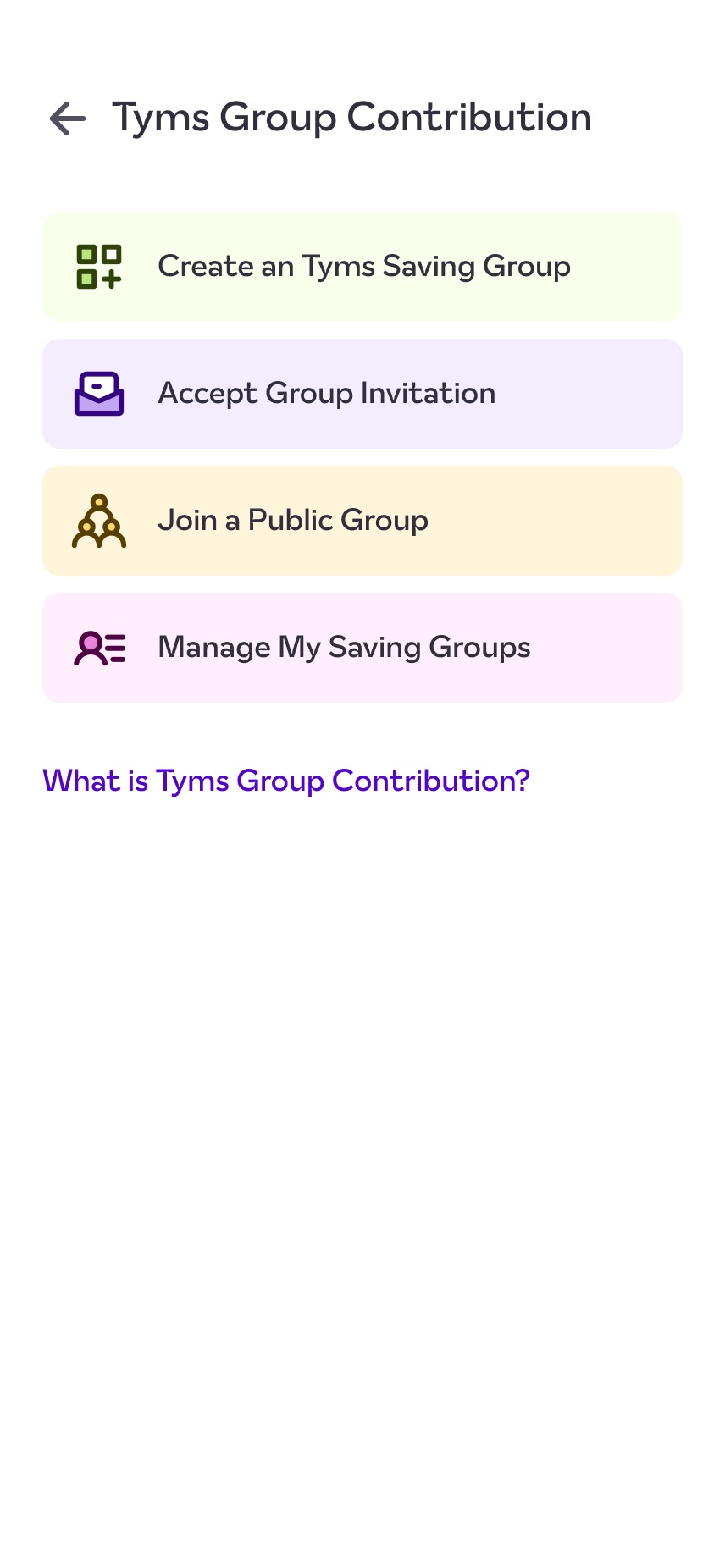
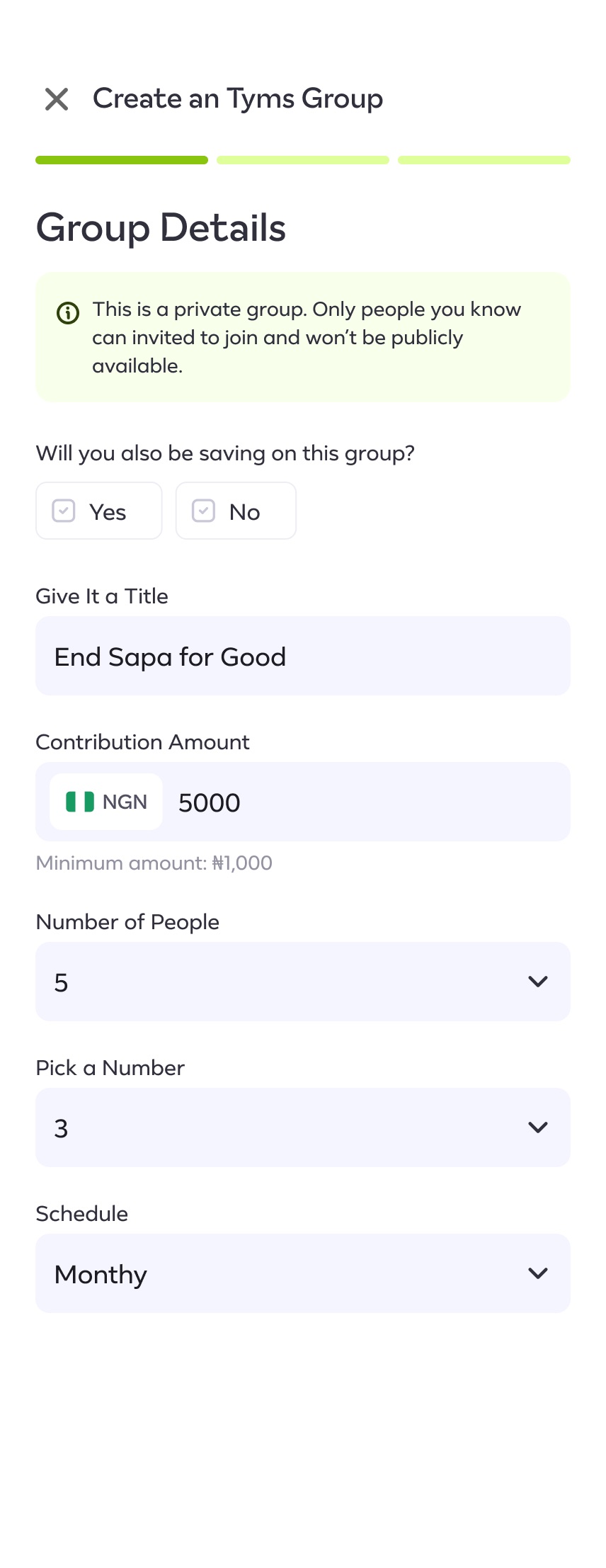
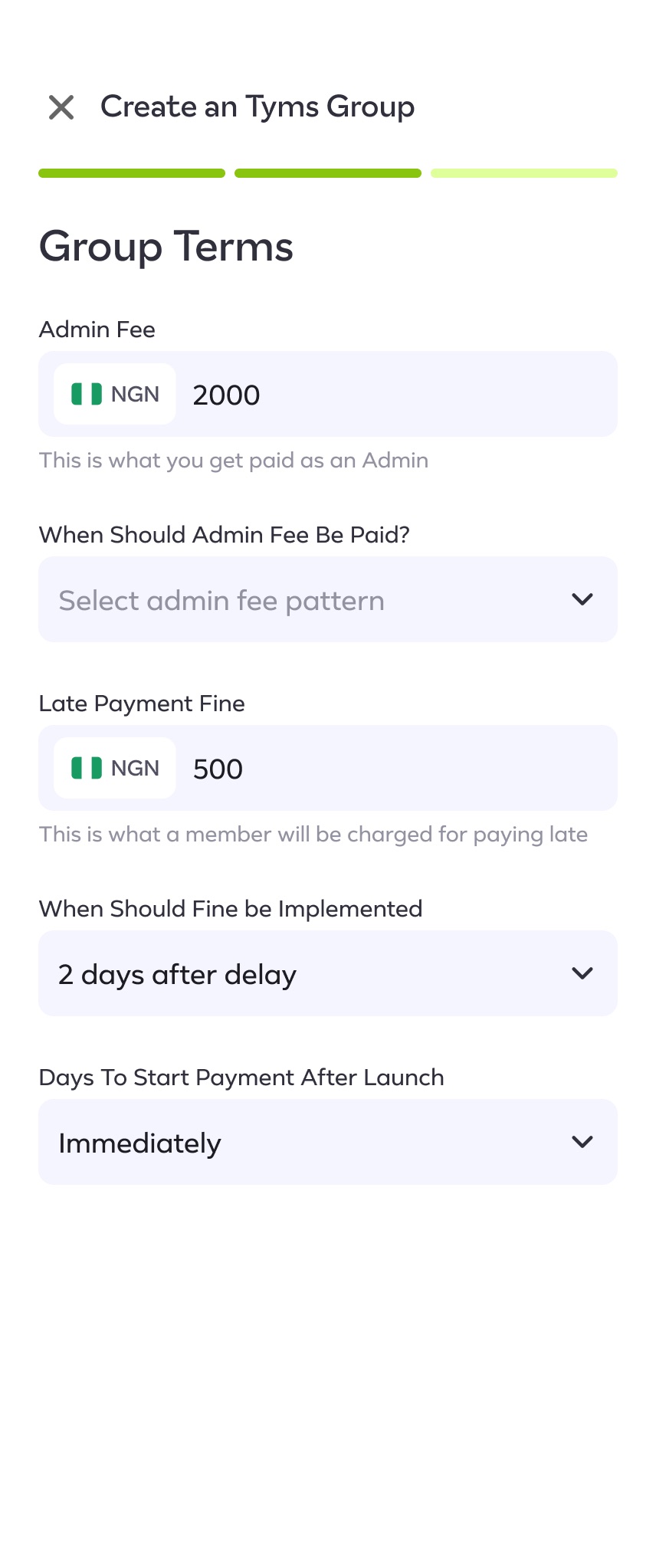
Match people to groups by need
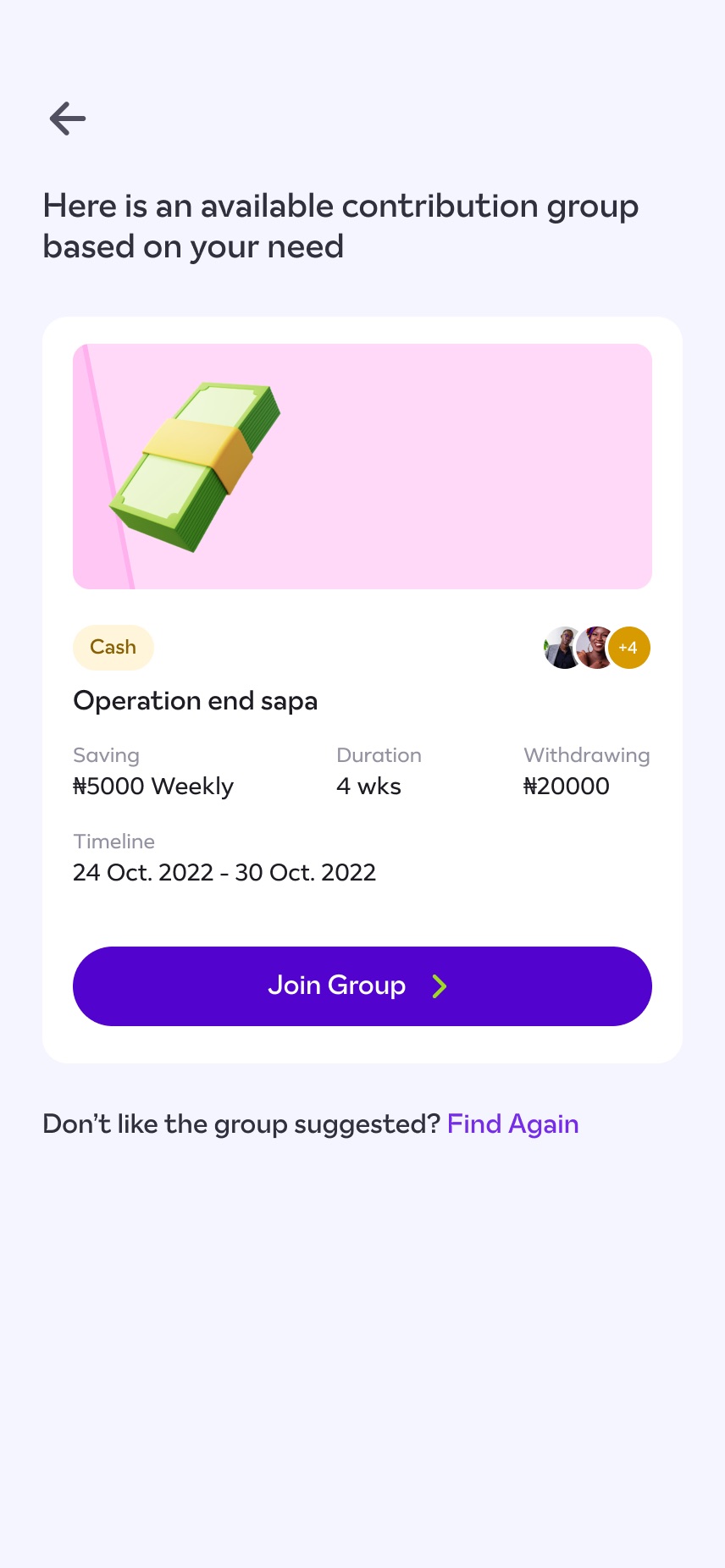
If someone doesn't know a group, they say how much they need, how they'd like to contribute and when they need the money, and the app suggests a group that fits. If none fits, it offers to start one.
Verification that unlocks more
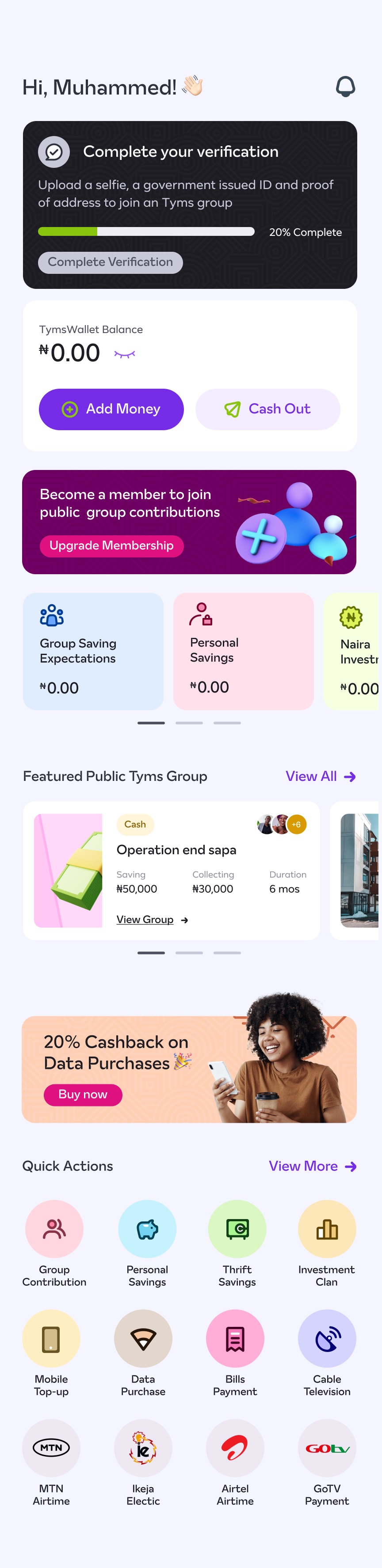
Each verification step, from BVN and a selfie to an ID and proof of address, unlocks more, like bigger groups and becoming an admin. The home screen keeps nudging until it's done.
The solution
Getting started
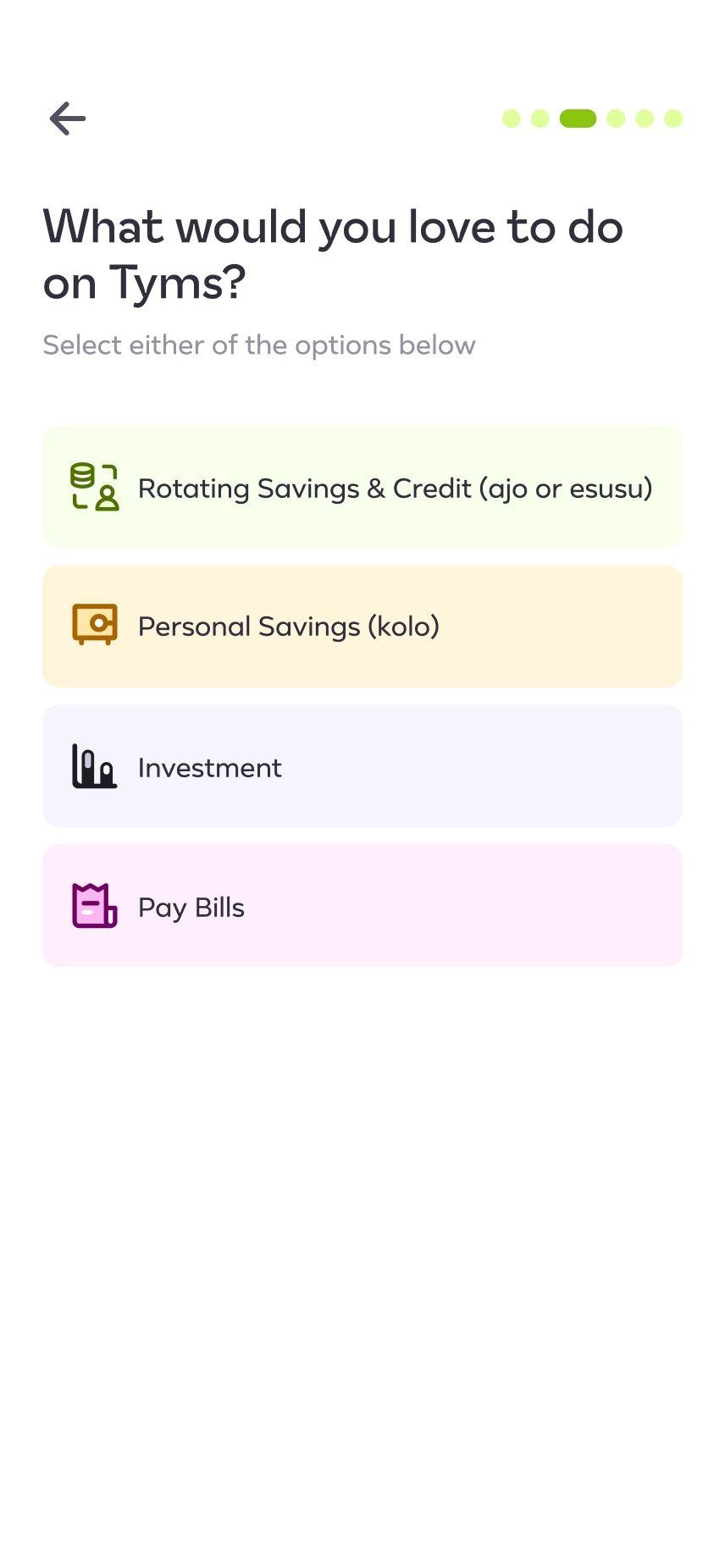
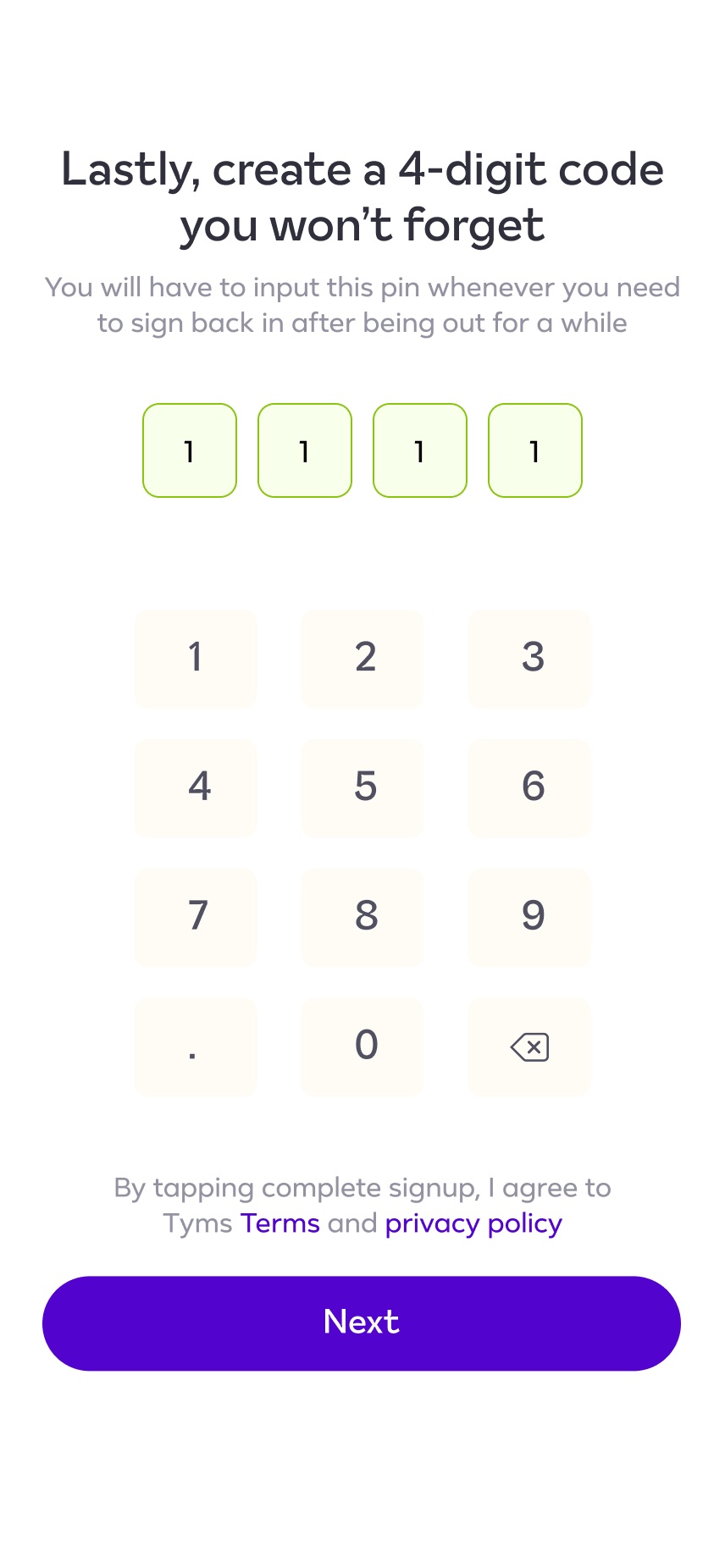
Sign-up asks what people want to do first, then verifies their phone by USSD code or by OTP over WhatsApp or SMS, and ends with a password and a 4-digit PIN.
Running a group
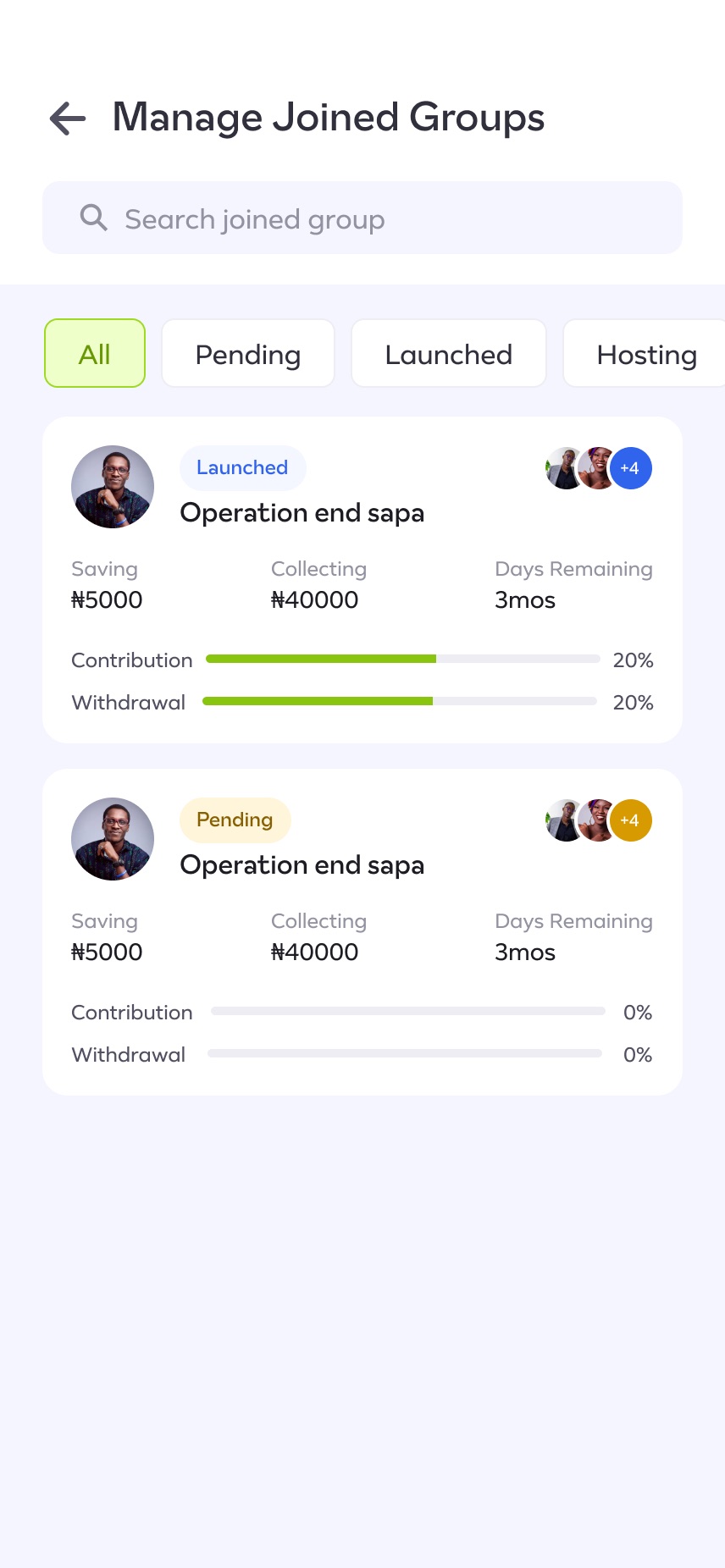
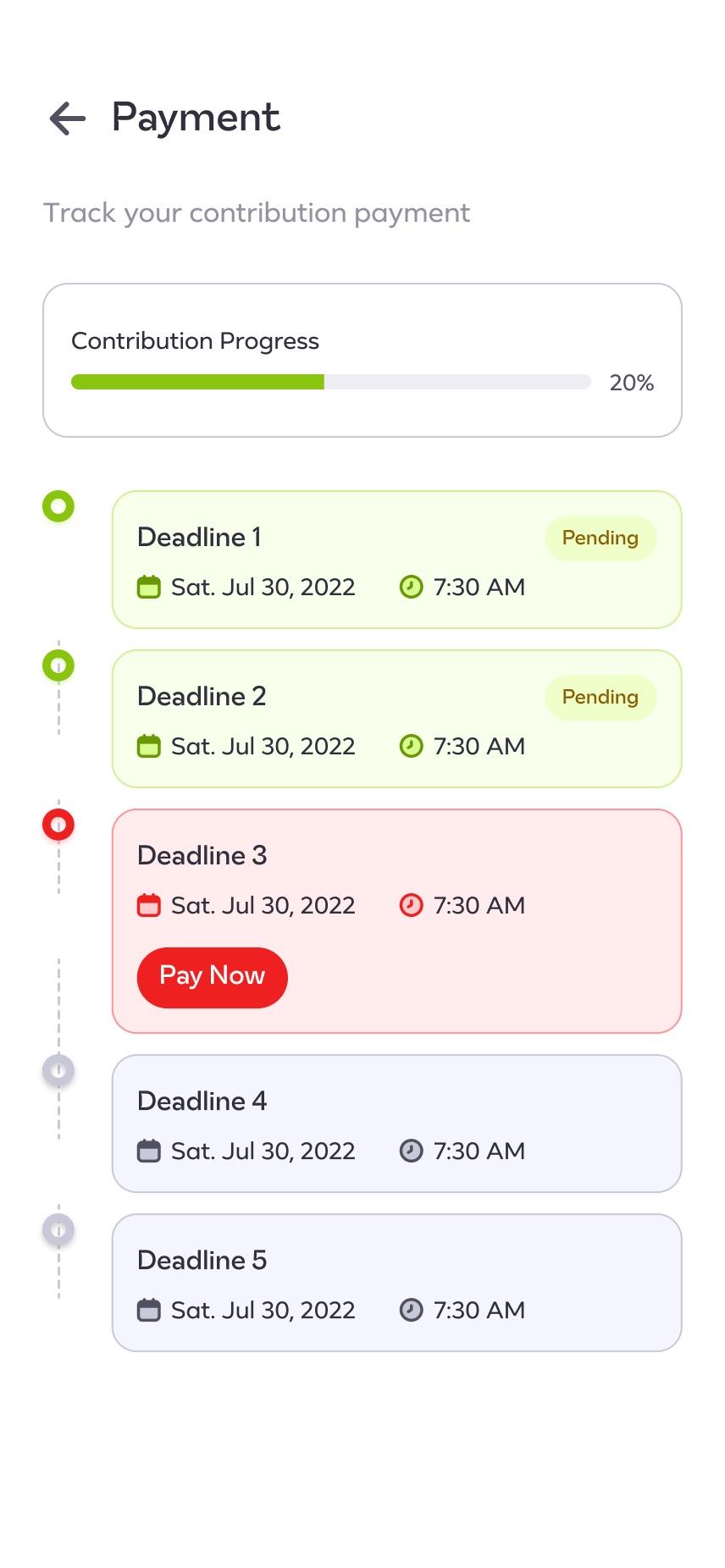
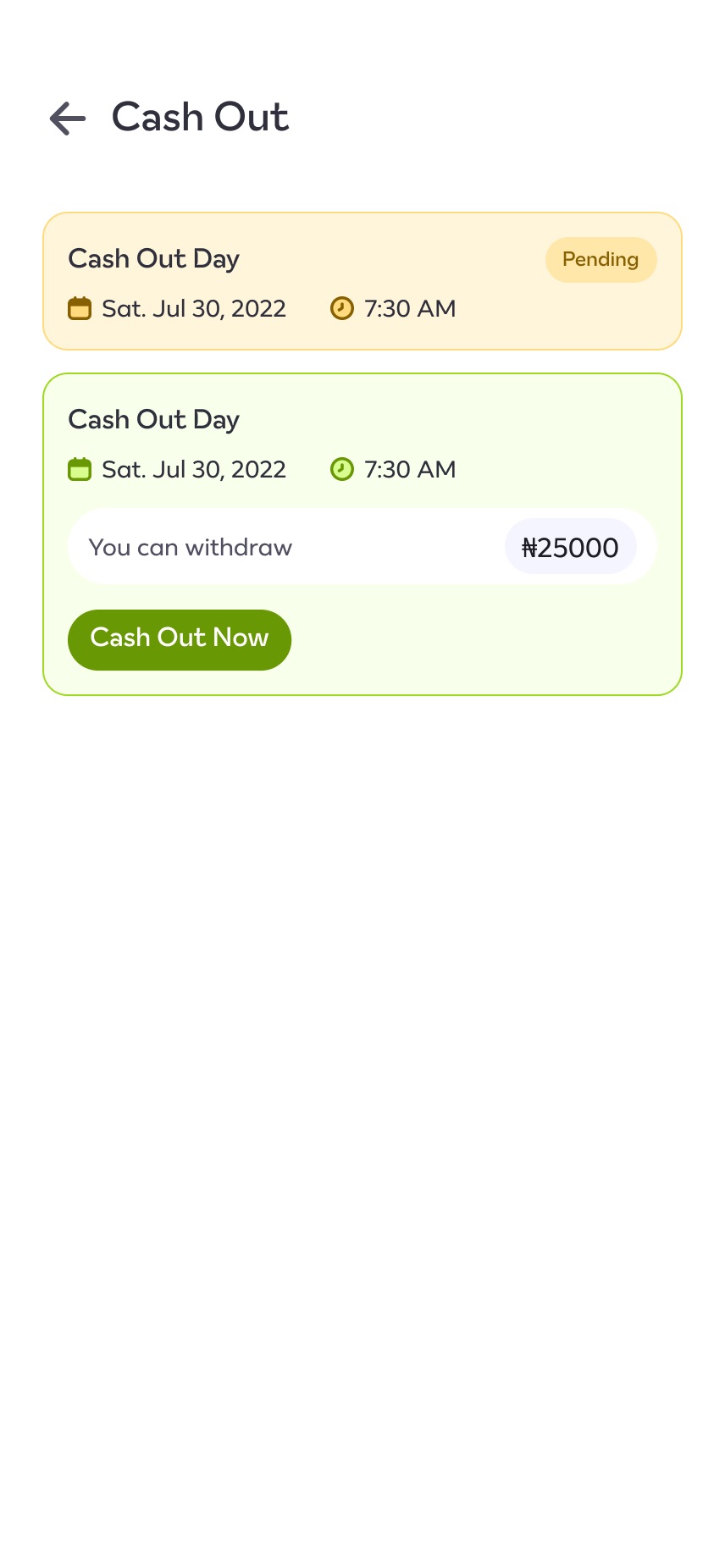
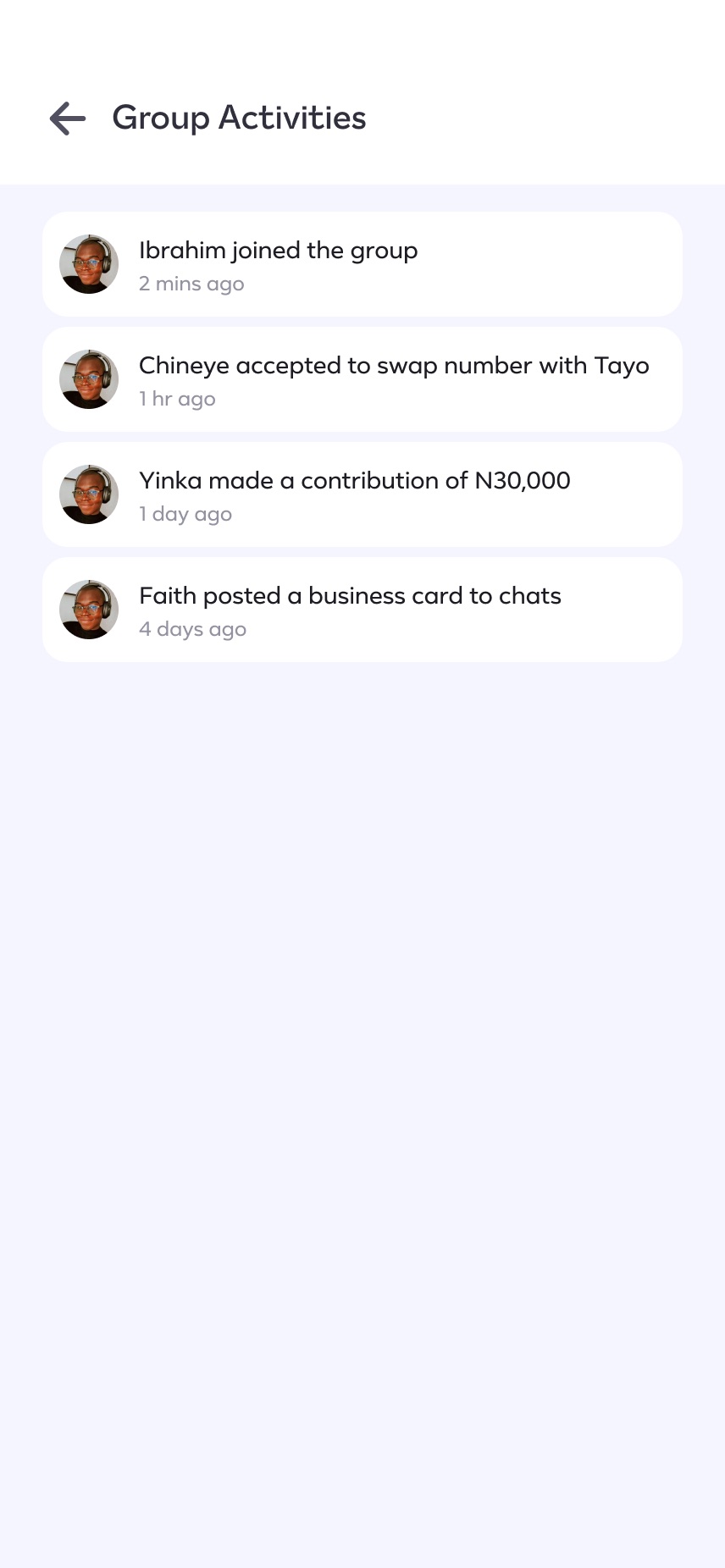
Members track their payments and see when cash-out day is. Each group has its own chat for updates, slot swaps and admin requests.
Savings and investing
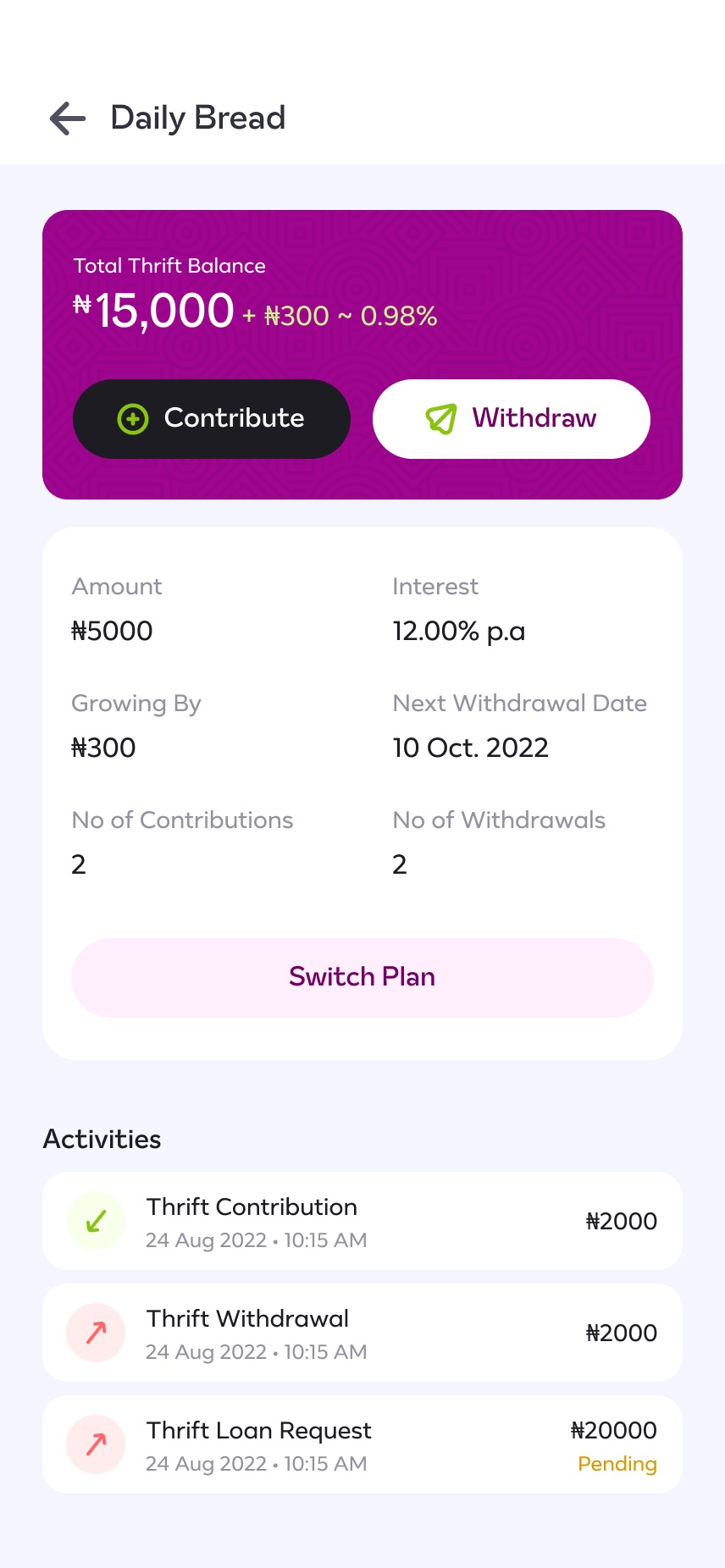
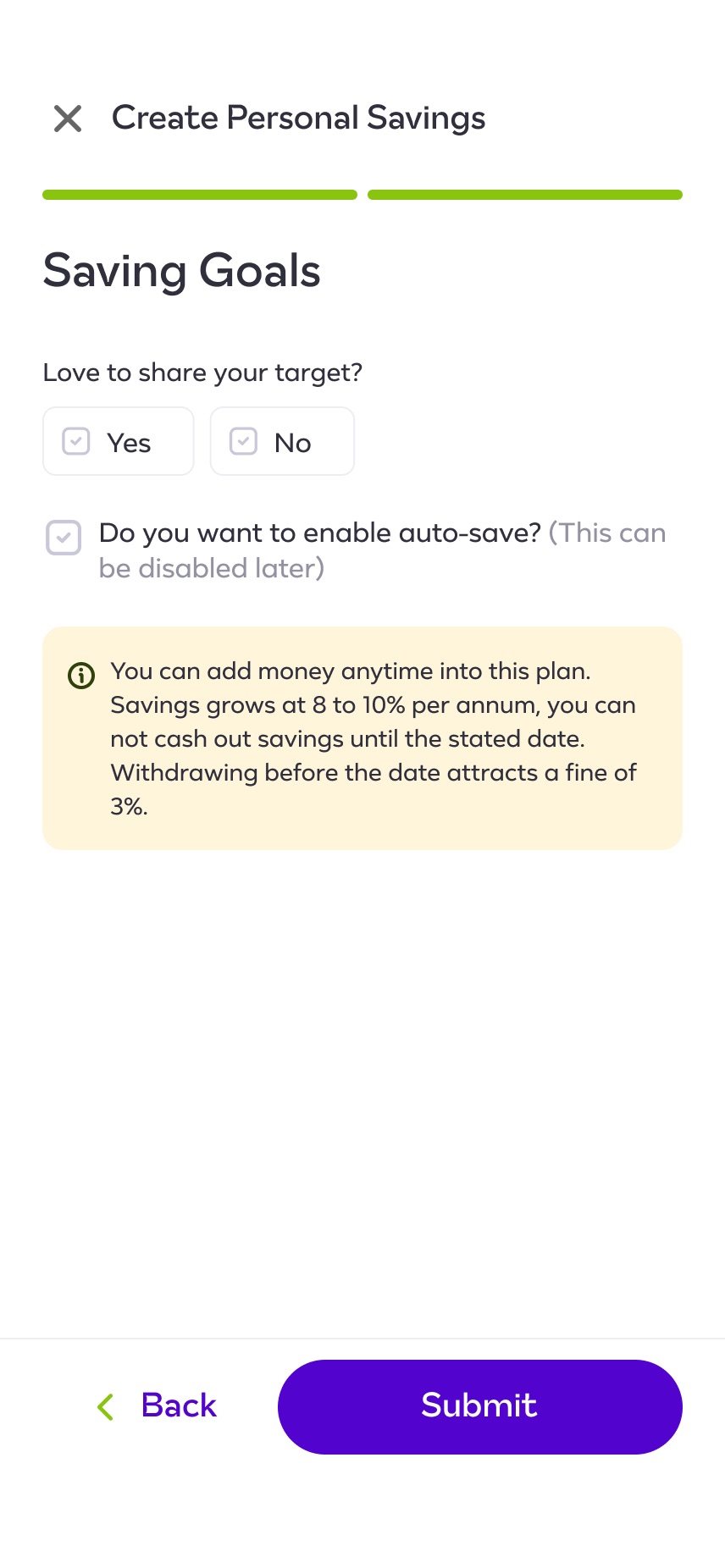
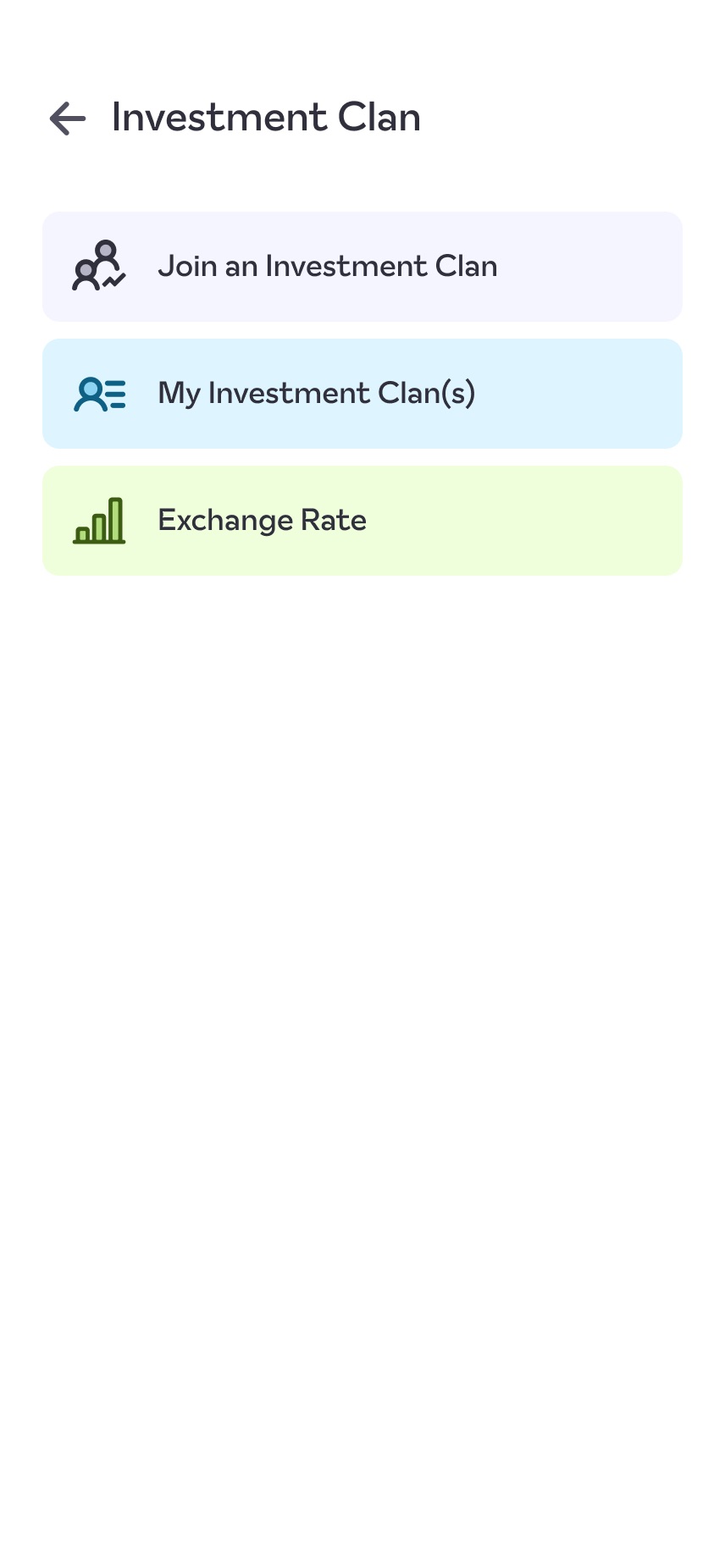
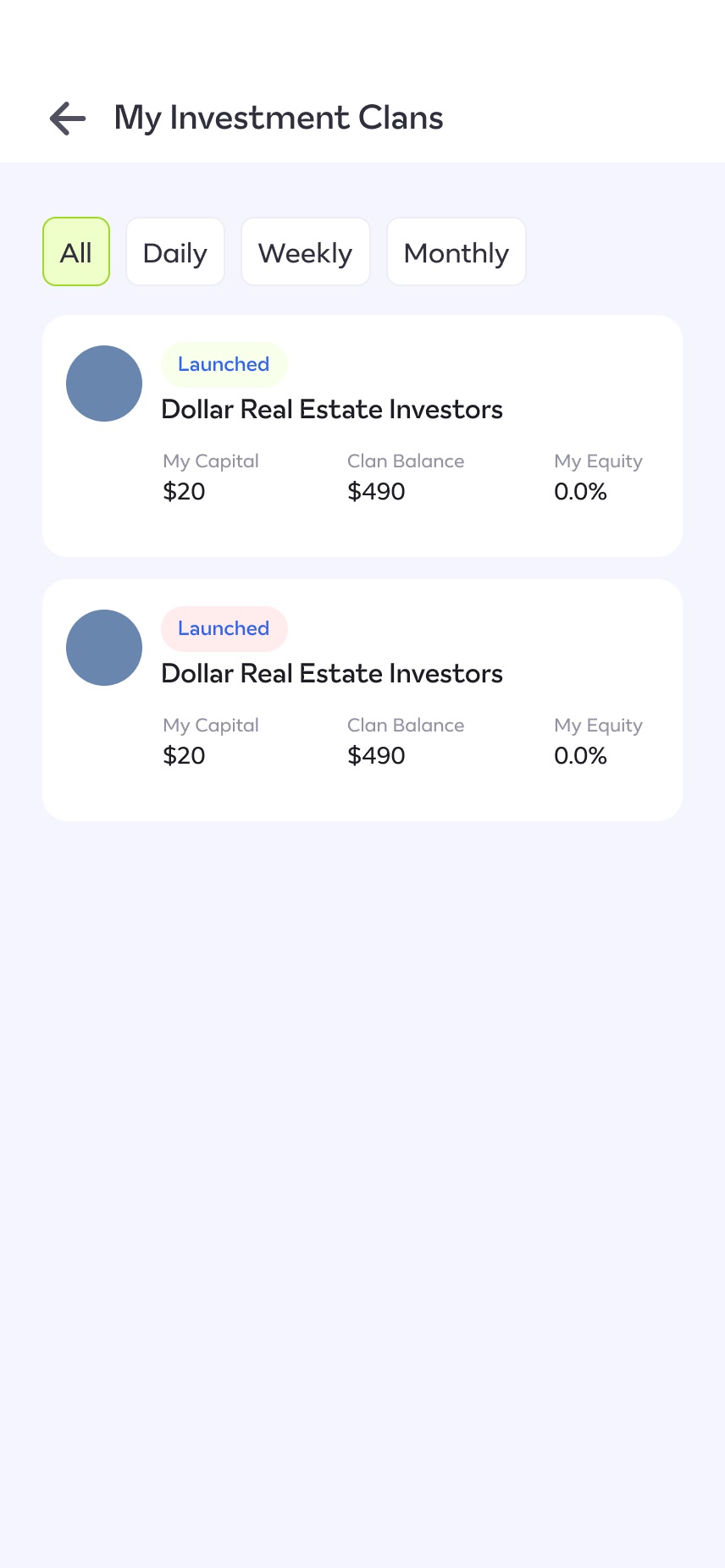
Beyond groups, people save on their own with thrift plans and goals, or join an investment clan that pools money in dollars.
Outcome and learnings
AjoMoney was later acquired by Moni Africa. Designing it taught me that digitising a habit people already trust means keeping its rules, like turns, fines and swaps, and making them visible, rather than replacing them with something new.